NGN
NGN USD
USD
 EUR
EUR
 AUD
AUD
 GBP
GBP
 JPY
JPY
No products in the cart
Total: ₦0
Taxes and shipping calculated at checkout

Mother and Child Care
Mother and child care is the continuous care given to a woman before pregnancy, during pregnancy, at delivery, after childbirth, and to the baby through infancy and childhood. Its goal is simple: to keep both mother and child healthy, safe, well-nourished, and developing properly.
Good mother and child care is one of the most important parts of family and community health because a healthy mother is more likely to have a healthy pregnancy, safe delivery, and healthy baby.
Why Mother and Child Care Matters
Mother and child care helps to:
reduce illness and death in mothers and babies
detect pregnancy problems early
support safe delivery and healthy newborn care
improve breastfeeding and nutrition
ensure proper growth and development of the child
prevent infections through hygiene and immunization
educate parents on warning signs and when to seek medical help
Many maternal and child health problems can be prevented or treated early when proper care is given. WHO and UNICEF emphasize antenatal care, skilled birth attendance, early breastfeeding, newborn warmth, immunization, and postnatal follow-up as key lifesaving measures. �
World Health Organization +3
Components of Mother and Child Care
1) Care Before and During Pregnancy (Antenatal Care)
A pregnant woman should attend antenatal clinic regularly. Antenatal care helps monitor both mother and baby and allows health workers to detect complications early.
Important antenatal care includes:
Early booking for pregnancy care
Regular blood pressure checks
Weight monitoring
Blood and urine tests
Tetanus vaccination as advised
Malaria prevention where relevant
Iron/folic acid supplementation if prescribed
Nutrition counseling
Monitoring baby’s growth and movement
Education on labour signs and danger signs
Healthy habits during pregnancy
A pregnant woman should:
eat a balanced diet rich in protein, fruits, vegetables, iron, and calcium
drink enough clean water
rest well and avoid excessive stress
avoid alcohol, smoking, and harmful drugs not prescribed by a clinician
sleep under treated mosquito nets where malaria is common
keep all clinic appointments
Danger signs in pregnancy
A pregnant woman should seek medical help urgently if she has:
severe bleeding
severe headache or blurred vision
swelling of face or hands
severe abdominal pain
convulsions
reduced or absent baby movement
high fever
leaking of fluid before labour
2) Care During Labour and Delivery
Delivery should ideally happen in a health facility or with a skilled birth attendant. Skilled care during labour helps prevent complications such as heavy bleeding, prolonged labour, infection, birth asphyxia, and seizures.
Important labour and delivery care includes:
clean and safe delivery environment
monitoring of mother and baby during labour
quick response to complications
safe cord care
support for immediate breastfeeding after birth
newborn assessment at birth
Quality maternal and newborn care during childbirth significantly improves survival for both mother and baby. �
World Health Organization +1
3) Care of the Mother After Delivery (Postnatal Care)
The period after childbirth is very important because many maternal and newborn complications happen in the first days and weeks after birth.
Postnatal care for the mother includes:
checking for excessive bleeding
monitoring blood pressure and temperature
checking healing of any tears or surgical wound
support for breastfeeding
counseling on nutrition and rest
family planning counseling
screening for infection or postpartum depression symptoms
follow-up visits after delivery
Advice for the mother after childbirth
eat well to regain strength
drink enough fluids
rest as much as possible
keep the body and genital area clean
take prescribed medicines correctly
attend postnatal clinic
ask for help if feeling persistently sad, overwhelmed, or unable to cope
Warning signs after childbirth
A mother should go to the hospital urgently if she has:
heavy vaginal bleeding
foul-smelling discharge
fever
severe abdominal pain
severe headache or high blood pressure symptoms
swollen painful leg
difficulty breathing
breast pain with fever
severe sadness, confusion, or thoughts of self-harm
WHO notes that the first 6 weeks after birth are a critical period for both mother and newborn and should include postnatal checkups and counseling. �
World Health Organization +1
Child Care
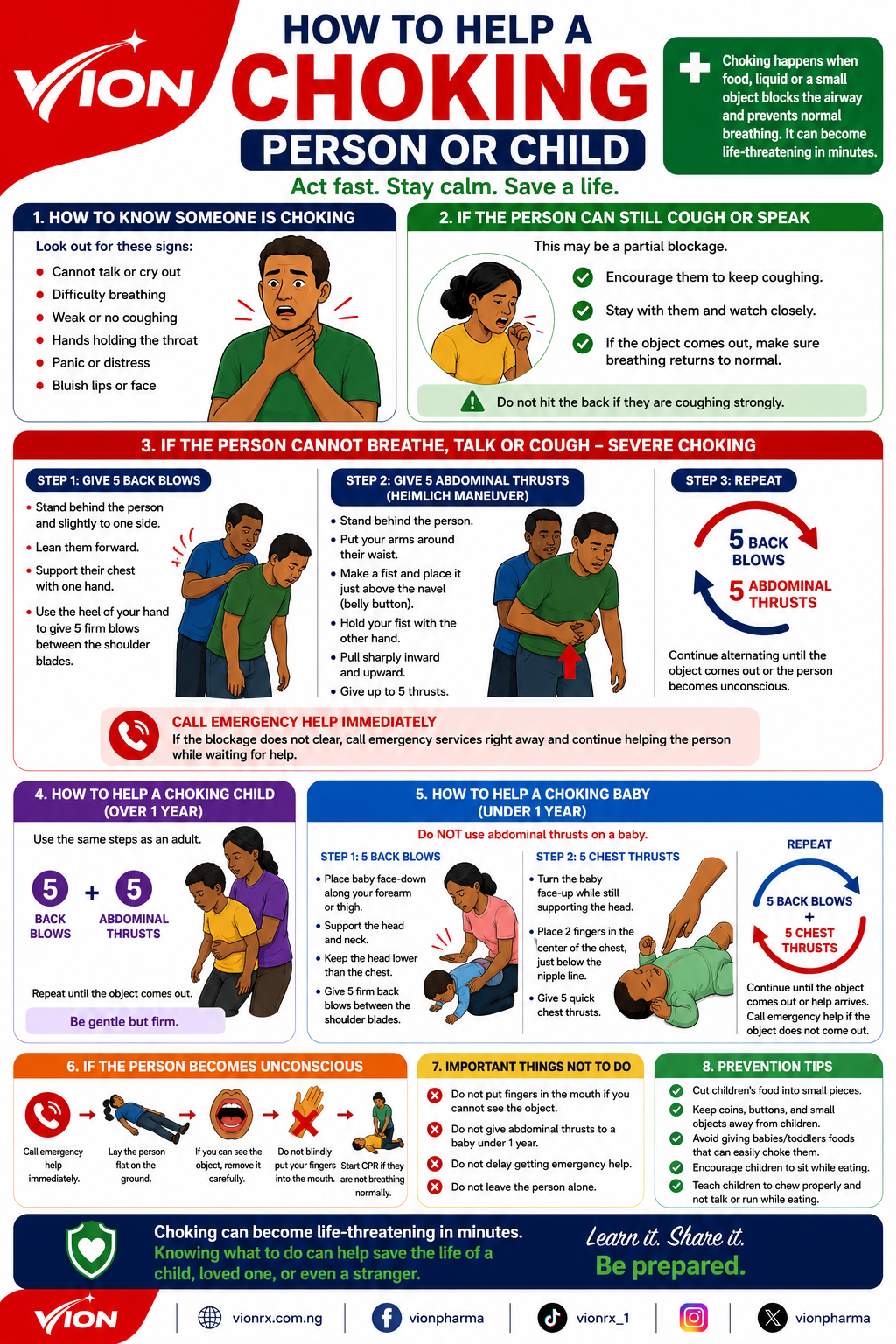
Child care begins immediately after birth and continues through infancy and childhood. It includes feeding, warmth, hygiene, immunization, monitoring growth, and ensuring emotional and developmental support.
4) Essential Newborn Care
The first hours and days of life are very important.
Essential newborn care includes:
Drying the baby immediately after birth
Keeping the baby warm
Skin-to-skin contact
Early breastfeeding within the first hour of life
Clean cord care
Checking the baby’s breathing
Watching for jaundice, fever, or poor feeding
Taking the baby for routine postnatal checks and immunization
WHO recommends essential newborn care for every baby, including thermal care, breastfeeding support, infection prevention, and prompt recognition of danger signs. �
World Health Organization +1
5) Breastfeeding and Infant Feeding
Breastfeeding is one of the best ways to protect a child’s health.
Breastfeeding recommendations
start breastfeeding within the first hour after birth
give only breast milk for the first 6 months (no water, herbs, pap, or other feeds unless medically advised)
from 6 months, start safe complementary foods while continuing breastfeeding up to 2 years and beyond if possible
Benefits of breastfeeding
Breast milk:
provides complete nutrition for the baby in the first 6 months
contains antibodies that help fight infections
reduces diarrhea and chest infections
supports brain growth and development
promotes bonding between mother and baby
Breastfeeding also benefits the mother by helping the womb contract and reducing some long-term health risks. WHO and UNICEF recommend exclusive breastfeeding for 6 months, then continued breastfeeding with complementary feeding from 6 months onward. �
World Health Organization +3
6) Immunization
Immunization protects children against dangerous diseases such as tuberculosis, polio, measles, hepatitis B, diphtheria, tetanus, and others.
Parents should:
follow the national immunization schedule
keep the child’s immunization card safe
never skip vaccine appointments unless advised by a health professional
Vaccination is one of the most effective child survival measures and should be done on time.
7) Nutrition and Growth Monitoring
A child needs proper nutrition to grow well physically and mentally.
Good child nutrition includes:
exclusive breastfeeding for 6 months
timely introduction of nutritious complementary foods from 6 months
giving foods rich in protein, vitamins, iron, and healthy fats
using clean feeding utensils and safe water
feeding according to age and appetite
continuing feeding during illness and giving extra care after recovery
Signs of poor nutrition in a child may include:
poor weight gain
visible thinness
swollen feet
weakness
delayed growth
repeated illness
Regular growth monitoring helps identify problems early.
8) Hygiene and Infection Prevention
Good hygiene protects both mother and child from infection.
Important hygiene practices
wash hands before touching the baby or preparing food
keep feeding bottles/utensils clean if used
keep the umbilical cord clean and dry
bathe the baby safely and keep clothing clean
use clean water for drinking and food preparation
keep the home environment clean
9) Monitoring Child Development
Child care is not only about feeding and treating sickness. It also includes emotional, mental, and physical development.
A child needs:
love and attention
talking and interaction
safe sleep and safe play
opportunities to crawl, walk, talk, and learn
regular medical checks when needed
Parents should watch for developmental milestones such as smiling, sitting, standing, speaking, and social interaction.
Danger Signs in a Baby or Young Child
A baby or child should be taken to a hospital urgently if there is:
difficulty breathing
refusal to feed or poor sucking
fever or very low body temperature
repeated vomiting
convulsions
yellow eyes/skin becoming severe
unusual sleepiness or weakness
diarrhea with signs of dehydration
severe cough
fast breathing
reduced movement or poor responsiveness
The Role of the Family in Mother and Child Care
Mother and child care is not only the mother’s responsibility. Fathers, relatives, and the wider family also have a major role by:
supporting clinic visits
helping with nutrition and rest
ensuring clean living conditions
encouraging immunization
providing emotional support
helping seek urgent medical care when danger signs appear
Conclusion
Mother and child care is the foundation of a healthy family and society. It covers care before pregnancy, during pregnancy, safe delivery, postnatal care, newborn care, breastfeeding, immunization, nutrition, hygiene, and child development. When mothers and children receive proper care early and consistently, the risk of illness and complications drops greatly, and the child has a better chance to grow, learn, and thrive.